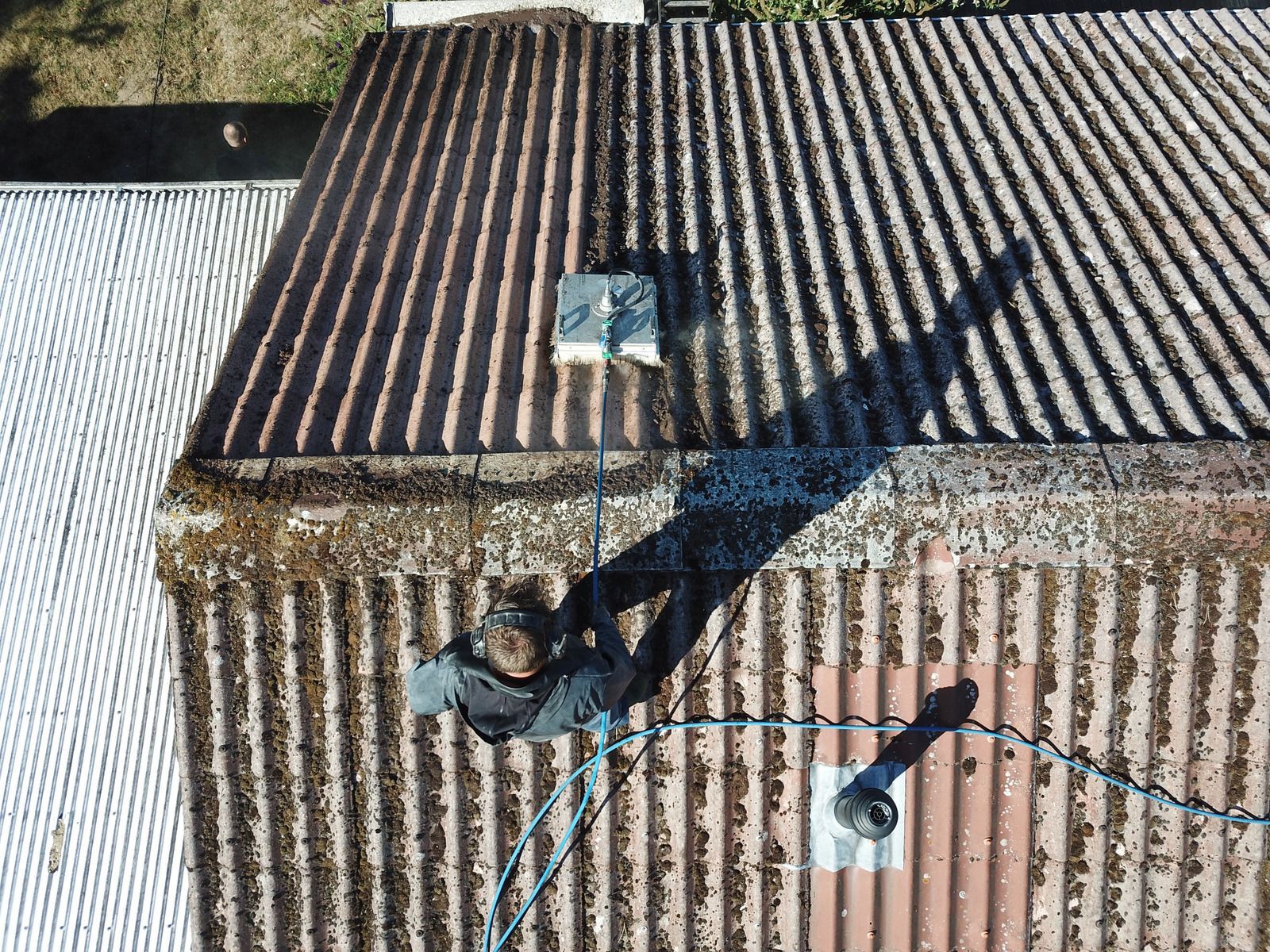
Autumn and Winter Roof and Gutter Prep for Slough Homes
Autumn is when most Slough homeowners notice their gutters for the first time all year, usually because water is coming over the top of one during a downpour rather than running through the downpipe where it belongs. Getting ahead of that with proper gutter cleaning Slough homes can rely on before the wettest months arrive saves a lot of hassle later, and it pairs naturally with checking the roof itself while access is already arranged. This guide sets out a practical autumn and winter routine for roofs and gutters across the borough, from Langley to Chalvey.
The quick answer: clear gutters and check the roof once in early autumn, before the leaves are fully down, and again after the last of them have fallen, since Slough's wettest months typically run from October through December.
1. Why Autumn Is the Real Deadline in Slough
Regional weather data shows Slough's rainfall does not swing wildly through the year, but there is a clear pattern. Months from October to December tend to bring the heaviest totals, with November typically the wettest month of all. Combined with falling leaves from street trees and back gardens across the borough, that makes autumn the point where a gutter or roof problem left over from summer turns into a genuine issue.
Waiting until a downpipe is already overflowing means the blockage has had time to compact and, in cold weather, potentially freeze, which makes clearing it harder and increases the chance of water finding its way somewhere it should not, such as behind fascia boards or down an external wall.
2. A Two-Stage Autumn Routine That Actually Works
A single autumn clean rarely covers the whole leaf-fall season on its own. The most reliable approach is two passes: one in early autumn to clear whatever has built up over summer and catch the first leaves, and a second once the surrounding trees have properly dropped, typically once most branches are bare.
Between those two visits, a quick look from ground level after any heavy rain or wind is enough to catch an early blockage before it becomes a bigger job. This two-stage pattern suits Slough's mix of tree-lined streets in Langley and Cippenham just as well as the more open roads around Britwell.
3. Gutter Cleaning Slough Homes Need Before the Wettest Months
Getting gutters clear before October matters more in Slough than the raw rainfall figures might suggest. Because rain here tends to arrive as frequent, moderate showers rather than occasional heavy downpours, a partially blocked gutter often does not fail dramatically in one go. Instead it slowly overflows a little more with each shower, which can go unnoticed until damp starts to show on a wall or soffit.
Our related guide on why gutter cleaning matters more on pebbledash and rendered homes explains why this slow, easy-to-miss failure mode is a particular concern on the borough's many 1930s rendered and pebbledash semis, where water running down the wall rather than through the downpipe can affect the render itself over time.
4. Why the Roof Needs the Same Attention as the Gutters
Moss and algae that have built up on the roof over the warmer months do not stay still. Wind and rain gradually dislodge granules, moss cushions and general debris, and almost all of it ends up in the gutter below. Cleaning the gutters without addressing the roof above means the same blockage tends to reappear within weeks.
The reverse is also true. Thames Valley damp, covered in more detail in our article on why roofs across Slough turn green, keeps roof surfaces damp for long stretches through autumn and winter, which is exactly the environment algae like Gloeocapsa need to spread. Addressing both the roof and the gutters in the same visit breaks that cycle.
5. Signs Your Gutters and Roof Need Attention Now
A handful of visible clues tend to show up before a blockage becomes an emergency. Checking for these from ground level takes a few minutes and can save a much bigger job later.
- Water spilling over the gutter edge during moderate rain, rather than draining through the downpipe.
- Plants or moss growing in the gutter itself , a sign that leaf litter and debris have been sitting there long enough to compost.
- Green streaking on render or brickwork below a gutter join, pointing to a slow overflow rather than a single dramatic leak.
- Sagging or pulling-away gutter sections , often caused by the extra weight of trapped wet leaves and debris.
- Damp patches on the underside of the roofline or on ceilings near an external wall, which can follow months of undetected overflow.
6. What Different Slough Neighbourhoods Should Watch For
Housing across the borough varies enough that the same autumn checklist plays out differently street by street. Semis in Langley and Cippenham, much of it built during the housing boom that followed the growth of the Slough Trading Estate from 1920 onwards, tends to have concrete tile roofs and rendered or pebbledash walls that both respond badly to prolonged damp.
Older terraces around Chalvey, one of the borough's longest-settled areas, often sit closer together with less garden space, so leaf litter tends to come more from street trees than private gardens. Meanwhile the postwar semis in Britwell, built from 1956 onwards on what was previously farmland, often back onto more open green space and mature planting that has grown substantially since, which can mean more overhanging branches to manage.
Upton, with its mix of the medieval core around St Laurence's church and the Victorian villas built from the 1840s onwards, brings a different set of considerations again, since slate roofs on older properties shed debris differently to the concrete tiles more common on later housing. Knowing which pattern applies to your own street makes it easier to judge how often autumn checks are really needed.
7. Preparing for Winter Once Autumn Cleaning Is Done
Once the autumn gutter and roof work is complete, a short winter check is still worthwhile. After the first hard frost or a spell of freezing weather, it is worth confirming that water is still draining freely and that nothing has frozen inside a downpipe, since ice can hide a blockage that would otherwise be obvious.
Our timing guide, when should you clean your roof, sets out how this autumn and winter routine fits into the wider year, including why a full deep clean is usually better scheduled for spring once the coldest weather has passed.
8. Simple Habits That Reduce the Autumn Workload
A few small habits through the year make the autumn routine considerably lighter. Trimming back branches that overhang the roofline before they get too close reduces both leaf litter and the amount of shade that keeps a roof damp.
Keeping an eye on downpipes after any particularly heavy or prolonged rain, rather than only checking once a year, also means small blockages get caught and cleared before they compound into a bigger autumn job.
9. Building Roof and Gutter Prep Into a Yearly Routine
Treating autumn preparation as a fixed part of the year, rather than a one-off response to an overflowing gutter, keeps the whole system working properly through Slough's wettest months. Pairing the roof and gutter check into the same visit, twice through the autumn leaf-fall period, covers most of what a typical home in the borough needs before winter sets in.
Frequently Asked Questions
When is the best time to clean gutters in Slough?
Early autumn, before leaves have fully fallen, with a second check once most trees are bare, covers the bulk of the leaf-fall season here.
Do I need to clean the roof and gutters at the same time?
It is generally more effective, since debris dislodged from the roof usually ends up in the gutter, and clearing both together avoids the blockage reappearing quickly.
What does gutter cleaning in Slough typically cost?
Cost depends on the size of the property, the number of storeys, access and how blocked the gutters have become, so it is best to ask for a quote based on your specific home rather than a generic online figure.
Can I clean my own gutters from a ladder?
It is possible for single-storey sections with careful ladder positioning, but many homeowners prefer a professional for anything above ground floor height, given the risk of a fall.
Why do my gutters keep blocking every year?
Overhanging branches, nearby trees and a roof shedding moss or granules are the most common repeat causes, and addressing the roof itself often reduces how quickly gutters refill.
Should I worry about frozen gutters in winter?
Yes, a partially blocked gutter that freezes can force water elsewhere, including behind fascia boards, so checking drainage is still free-flowing before a cold snap is worth the few minutes it takes.
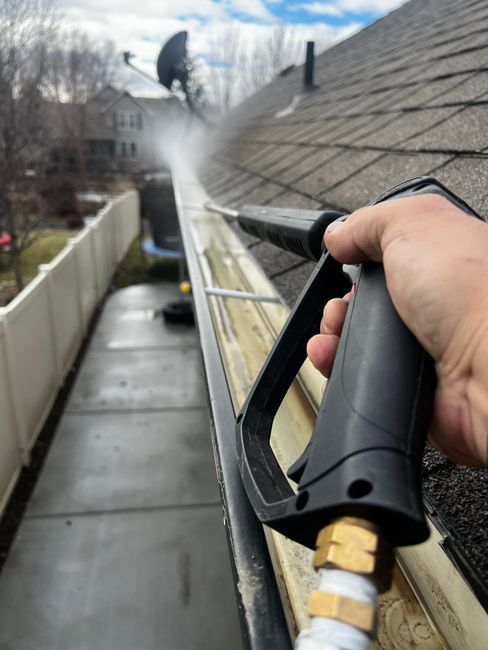
Ready for your roof and gutters to be sorted before the wet months hit?
Ben's Roof Cleaning has over 15 years of experience cleaning roofs and gutters across Slough and Berkshire, from Langley and Cippenham to Chalvey and Britwell. Get in touch or call 0175 330 6645
for a free, no-obligation quote.

Autumn Prep Now Means a Drier Winter Later
Slough's wettest months arrive in a fairly predictable window each year, and a home that has had its roof and gutters checked and cleared before that window opens copes with the season far better than one that has not. Treating the roof and gutters as one connected system, rather than two separate jobs, and building a simple two-stage autumn routine around Slough's leaf-fall pattern, is the most reliable way to head into winter with water draining exactly where it should.