Slough's 1930s Semis and Concrete Tiles: Why Moss Keeps Coming Back
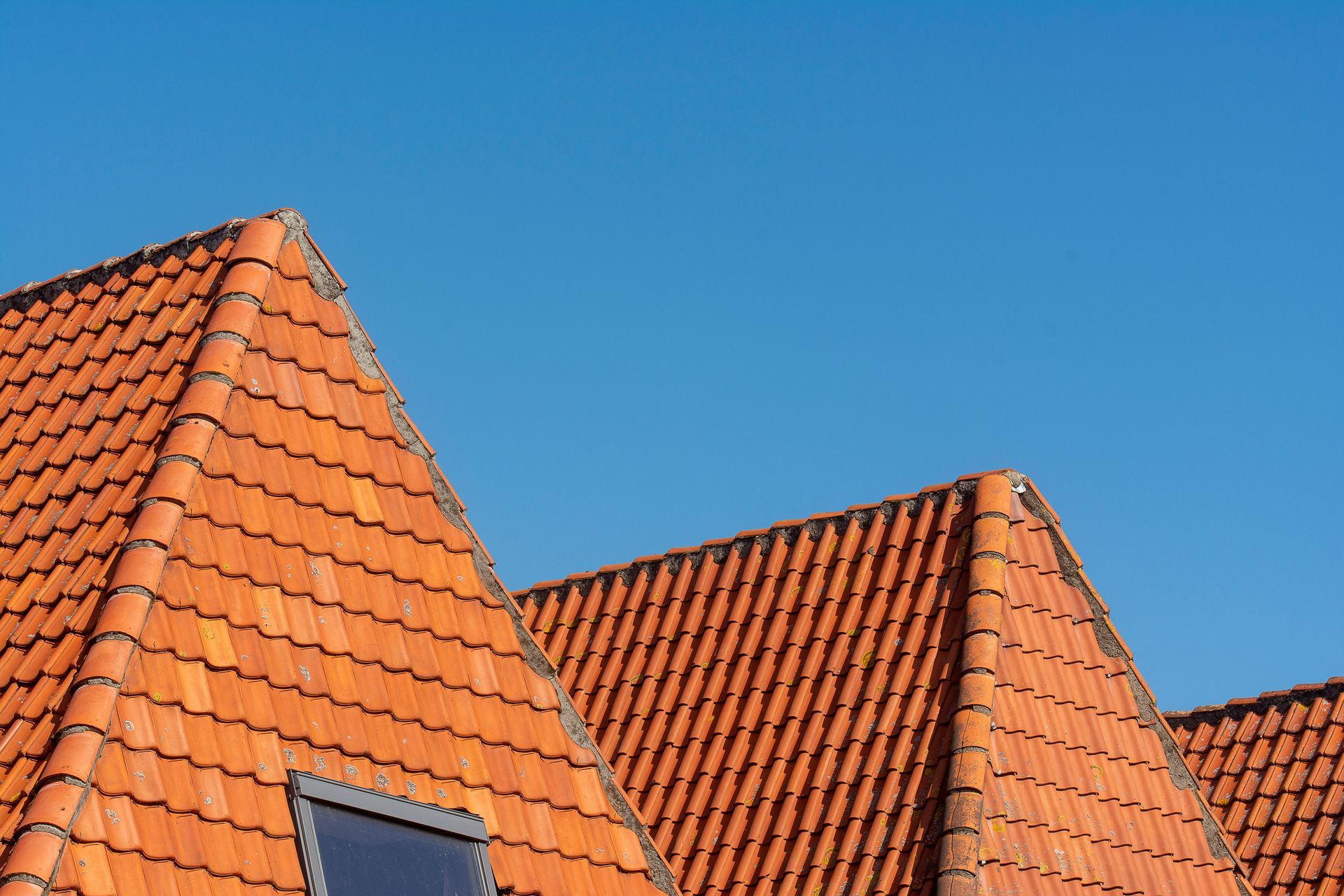
Drive down almost any road of bay-windowed semis in Slough and you will spot the same pattern repeating on the roofline: a dark green cushion of moss sitting along the north-facing slope, thickest where the tiles meet the ridge and along the lower courses above the gutter. For homeowners looking into moss removal Slough specialists actually get called out for, this is the single most common job on the books, and it is not a coincidence that it clusters so heavily in the town's older streets. Slough grew explosively in the interwar years, and the concrete roof tiles laid down on tens of thousands of 1930s semis back then are now approaching a century old. That combination, an entire generation of houses built to the same pattern in the same short window, using the same material, is why moss keeps coming back on this particular kind of roof, year after year, no matter how many times it gets scraped off.
The quick answer: moss keeps returning on Slough's 1930s semis because their concrete tiles are naturally porous and slightly alkaline, which suits moss spores perfectly, and because so much of the town's housing stock was built in one short building boom, meaning thousands of roofs are now the same age, pitch and material, ageing and weathering in step with one another.
1. Why so many Slough roofs are the same age
Slough's rapid expansion in the 1920s and 1930s was not gradual. It was driven by one specific event: the transformation of what had been a First World War army vehicle depot into the Slough Trading Estate. The depot was set up in 1918 to repair damaged military vehicles returning from the front, but by the time it was finished the war had ended, and the site was sold off in 1920 to investors who reorganised it into an industrial estate under the Slough Trading Company Act of 1925.
Factories arrived fast. Citroen opened a plant in 1926, and household names including Mars and Johnson & Johnson followed within a few years. By late 1933, the Slough Estates Journal was reporting more than 150 companies on site. That created a genuine housing crisis, so acute that developers initially threw up a temporary timber settlement, known locally as Timbertown, just to house arriving workers until permanent streets could be built.
What followed was a wave of speculative semi-detached housing across Slough and the surrounding area, much of it in the pattern-book style typical of the period: bay windows, a hipped or gabled roof, and concrete interlocking tiles rather than the clay or slate used on older Victorian stock. The result is a town where a huge proportion of the roofline was laid down within roughly a decade of each other, and is now weathering, and mossing, in unison.
2. Concrete tiles and why moss loves them
Concrete roof tiles were the practical, affordable choice for builders racing to keep up with Slough's population growth, and they remain a perfectly sound roofing material. But concrete behaves differently to clay or natural slate in one important respect: it is porous. Moisture is drawn into the surface rather than running straight off, and as the tile weathers, the cement-rich surface layer that once sat as a smoother "skin" over the aggregate gradually wears away, roughening the surface further.
That rough, absorbent surface is close to ideal for moss. Moss does not have roots in the way a plant does; it anchors with simple filaments called rhizoids and takes in moisture directly through its surface, so it thrives wherever a material holds water and offers something to grip onto. A smoother, less porous tile sheds moss spores more easily. A weathered concrete tile does the opposite, giving spores somewhere to lodge, germinate and spread.
This is also why the problem is self-reinforcing. As moss cushions build up, they hold even more moisture against the tile surface, which keeps the area damp for longer after rain and makes conditions even more favourable for the next generation of spores. Left unaddressed for several years, a light dusting of moss becomes a thick mat that can lift tile edges and hold standing water against the roof structure.
3. The north-facing slope problem
Almost every 1930s semi in Slough was built to a similar footprint, with a front and back pitch running roughly north to south or east to west depending on the street layout. Whichever slope faces away from the sun for most of the day is the one that stays damp longest, because it never gets the direct heat needed to dry the tile surface out between rain showers.
That is why moss on these roofs is rarely spread evenly. It typically forms a defined band along the shaded slope, or clusters under the shadow line thrown by a chimney stack or a neighbouring roof, while the sun-facing pitch on the very same house can look almost clean. Anyone comparing notes with a neighbour on the same street, in the same style of house, sometimes struggles to understand why one roof looks so much worse than the other. Orientation, more than age or maintenance, usually explains it.
4. Why moss keeps returning after a clean
A one-off clean removes the visible moss, but it does not remove the underlying conditions that made the roof attractive to moss in the first place: the tile's porosity, the shaded aspect, and a steady supply of airborne spores drifting in from nearby trees, hedges and other mossy roofs. Slough's older residential streets, many lined with mature trees planted when the estates were first built, provide exactly that kind of spore source.
This is why homeowners are sometimes frustrated to see a light green tinge reappear within a year or two of a clean. It is not a sign the job was done poorly. It is simply how a porous, shaded concrete tile roof behaves in a damp part of the country, and it is the reason a periodic maintenance clean, rather than a single one-off job, tends to keep these roofs looking their best over the long term. For a fuller look at how the local climate feeds this cycle, see why roofs across Slough turn green.
5. What moss does to a concrete tile roof over time
Moss is not only cosmetic. As it establishes on a concrete tile, its rhizoids work into any small surface irregularities, and the moss mat itself expands and contracts with moisture far more than the tile beneath it. Over successive wet and dry cycles, this movement can lift tile edges slightly and encourage tiles to shift out of their overlap. Trapped moisture beneath a thick moss cushion can also accelerate the tile's own weathering.
There is a knock-on effect for gutters too. Moss sheds in clumps, particularly after heavy rain or a frost, and those clumps wash straight down into the gutter line, where they combine with leaf litter to form blockages. On the rendered and pebbledash-fronted homes so common across Slough's older estates, a blocked gutter that overflows against the wall is a much bigger problem than on plain brick, which is covered in more detail in our piece on gutter cleaning on pebbledash and rendered homes.
6. Reading the warning signs on your own roof
Most homeowners do not need to climb a ladder to get a sense of how their roof is doing. A few signs, spotted from ground level or an upstairs window, tell most of the story.
- Green or dark staining concentrated on one slope only: almost always the shaded, north-facing pitch, and a strong indicator of moss rather than general dirt.
- Visible cushioning along the ridge or lower courses: moss builds up thickest where tiles overlap and where water lingers longest.
- Debris in the gutter after dry spells: moss clumps that have dried out and detached, washed down by the next shower.
- Damp patches on a loft ceiling below a mossy patch: a sign moisture retention has gone on long enough to start affecting the roof structure.
- Tiles that look slightly displaced or lifted at the edge: often the result of moss growth working into the joints over several seasons.
7. Why gentle removal matters on these particular tiles
Because 1930s concrete tiles are already porous and, in many cases, decades into their working life, how moss is removed matters as much as whether it is removed. Aggressive pressure washing can strip away the tile's remaining cement-rich surface layer, exposing more aggregate and, ironically, making the tile even more absorbent and moss-prone in future. It can also drive water under tiles that have already loosened slightly.
A gentler, low-pressure approach that treats the moss biologically and rinses debris away, rather than blasting the tile surface itself, tends to be far more appropriate for roofs of this age and type. That approach is explained in full in our guide to soft washing for Slough's concrete tile roofs, which sets out why this method suits the town's housing stock so well.
8. Keeping a 1930s roof looking its best long term
Given how predictable the moss cycle is on this kind of roof, the most effective strategy is rarely a single dramatic clean followed by years of neglect. A periodic check, ideally once a year, catches new growth while it is still light and easy to remove, rather than waiting until cushions have thickened and started affecting tile edges or gutters. Trimming back overhanging branches where practical, and keeping gutters clear so water does not sit against the lower courses of tile, both help slow regrowth between cleans.
Frequently Asked Questions
Why does my roof grow moss but my neighbour's does not?
Even on identical 1930s semis, orientation makes a big difference. The slope that gets least direct sun, often the one facing away from the street or shaded by a neighbouring roof, stays damp longer and grows moss faster than a sun-facing pitch on the same house.
Is moss actually harmful to a concrete tile roof, or just unsightly?
It is both. Beyond the appearance, moss holds moisture against the tile, can lift tile edges over time as it expands and contracts, and sheds material into gutters, where it contributes to blockages.
How often should a 1930s semi in Slough have its roof cleaned?
Because moss regrows in a fairly predictable cycle on porous concrete tiles, an annual check with a clean roughly every one to two years, depending on how shaded the roof is, tends to keep growth from building up into a thicker problem.
What does roof cleaning in Slough typically cost?
Cost varies with roof size, pitch, access and how established the moss growth is, so it is worth asking for a site-specific quote rather than relying on a generic figure. A short conversation about the roof's age, aspect and tile type usually gives a far more accurate picture than a flat rate.
Can I just scrape the moss off myself?
Scraping removes the visible cushion but leaves spores and root-like rhizoids behind, and working on a pitched concrete tile roof carries real fall risk. Most homeowners find a professional clean, done properly and safely, lasts considerably longer than DIY scraping.
Will cleaning damage my old concrete tiles?
It depends entirely on method. Aggressive pressure washing can strip the tile's surface and worsen future moss growth, whereas a gentler, low-pressure approach is generally considered far safer for older, porous concrete tiles.
Got a mossy roof on a Slough semi?
Ben's Roof Cleaning has worked on concrete tile roofs across Slough and the surrounding Berkshire area for over 15 years, and understands exactly why this town's 1930s housing stock behaves the way it does. Get in touch or call 0175 330 6645
for a free, no-obligation quote.
A century-old building boom is still written across Slough's rooflines today
The moss that keeps reappearing on so many of Slough's 1930s semis is not bad luck, and it is not a sign of poor upkeep. It is the direct, physical legacy of a housing boom triggered by the Slough Trading Estate, built quickly and uniformly with porous concrete tiles that were the right choice for their era but which now, a century on, need a periodic, appropriately gentle clean to stay in good condition. Understanding why the problem keeps coming back is the first step to managing it properly, rather than fighting the same losing battle every couple of years.